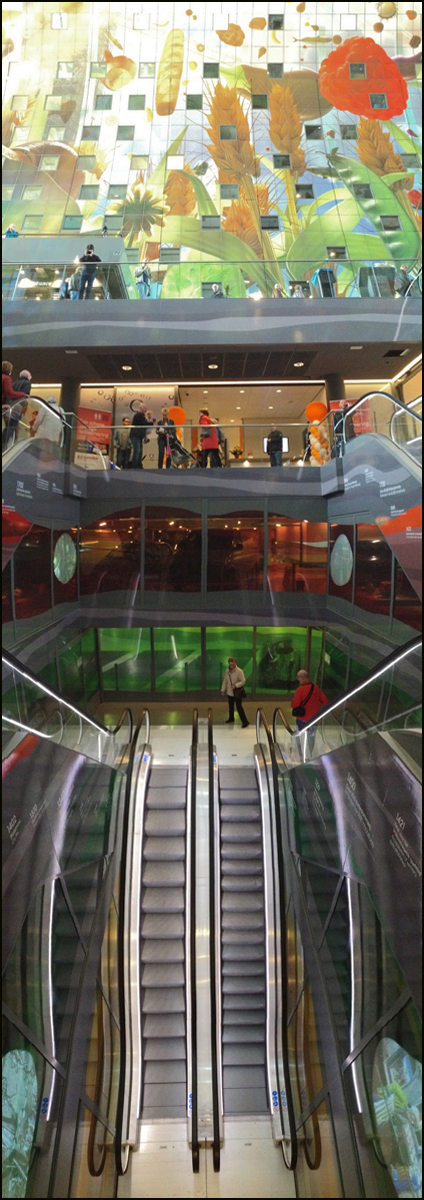
De toonaangevende reisgids Lonely Planet heeft Rotterdam verkozen tot nummer vijf in de top tien van ‘topsteden van de wereld’. Het is de enige Nederlandse stad in de lijst van Lonely Planet’s Best in Travel 2016. De vorig jaar opgeleverde Markthal speelt hierin waarschijnlijk een rol. Een bijzonder gebouw met een wat misleidende naam, omdat het op een aantal punten wezenlijk verschilt van wat normaal gesproken als markthal wordt beschouwd: Continue reading
Tag Archives: Rotterdam
Skaeve Huse: Can dwelling be learned?
The city of Rotterdam is putting up 11 so-called “Skaeve Huse”. Skaeve Huse is crooked Danish for “crooked houses”. These are container homes for maladjusted people who in recent years have misbehaved in such a way that they no longer qualify for a regular apartment in Rotterdam housing associations. The choice is: either move to another town or to the Skaeve Huse where, under supervision and at a safe distance from civilization, they will be prepared for a return to a “normal” home. Can dwelling be learned? Continue reading
Concentric Planning vs. Blitzkrieg

Street scenes inside and outside of the historical center, just 200 meters apart. Amersfoort, The Netherlands. Photos: RM
It is 75 years ago this week that the city of Rotterdam was stripped of its center by German bombs. In general, the absence of an old center is seen as a deficiency; In contrast, it can also be said that it provides certain advantages, especially in the field of urban planning. Continue reading
A Monument that stands in the way.
How the nurturing of our monuments can stand in the way of progress. Today part 2: the Lijnbaan in Rotterdam. Continue reading
A Tale of the Tub
Our monuments, the icons of our civilization, are of great value to us and should, in priciple, be preserved. In principle, because sometimes the fear to discard our (built) icons comes to stand in the way of our progress. In this post a first example of this phenomenon: The Feyenoord Stadium in Rotterdam. Continue reading
Patch-Up (Luchtsingel)
Before May 14, 1940 Rotterdam was considered a compact city. The street profiles were generally narrow, even for that time. Ports located in the center of the city were becoming inaccessible for road transport. The smoke of the bombings had not cleared until the city government started making reconstruction plans. Plans in which space was created for wide roads cutting through the city center. After the war they were executed rapidly. The previously lacking access to the city wwas laid out and the spaces in between were filled in a more or less ad hoc manner, during the decades that followed. Rotterdam had become infrastructure instead of a city. Continue reading
Love Bridges
All over the world people are putting up padlocks on bridges. Where did this start and why? Continue reading
Empty Shells
Is real estate vacancy really such a problem? Continue reading
Mirror, mirror
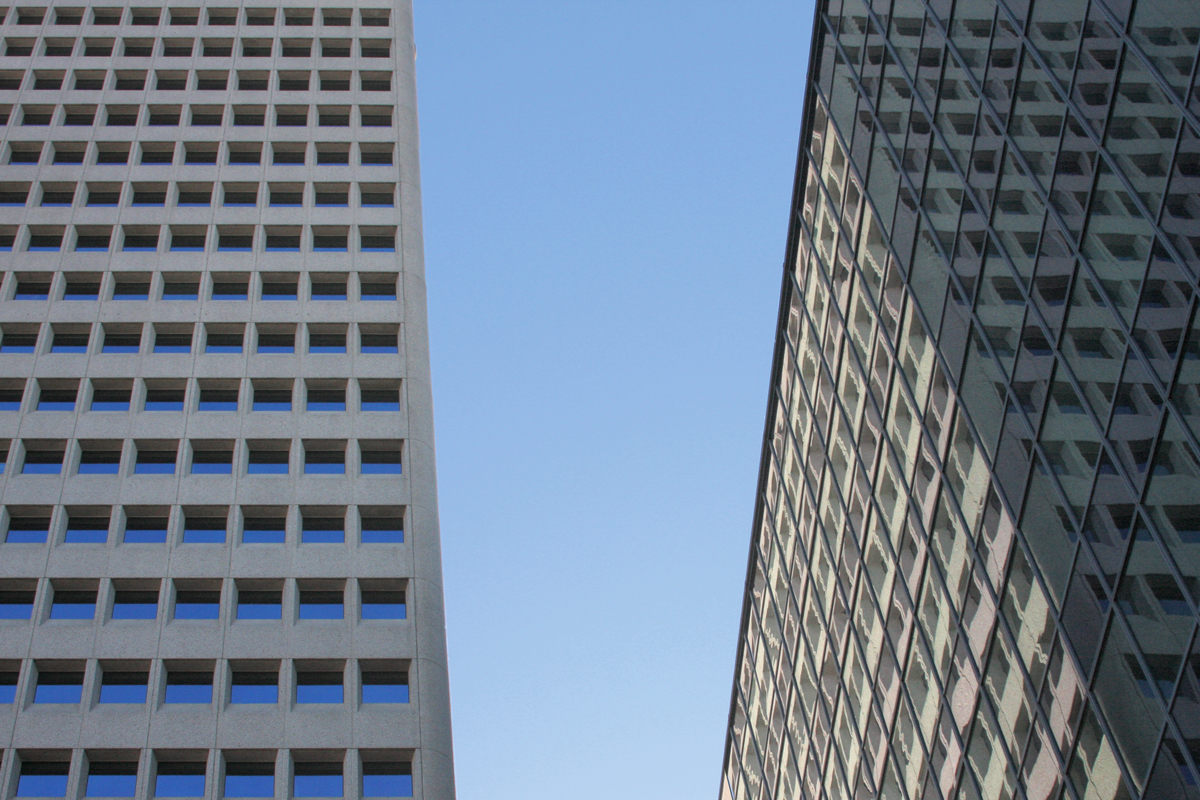
Like in most “revolutions”, after due time the sense of reality takes over its goals. The initial idealism goes on sale and will be trivialized or pragmatized at best. Modern architecture is no exception. The mirror facade clearly shows the bankruptcy of modernism in architecture in its original form. Continue reading
Under the Overpass
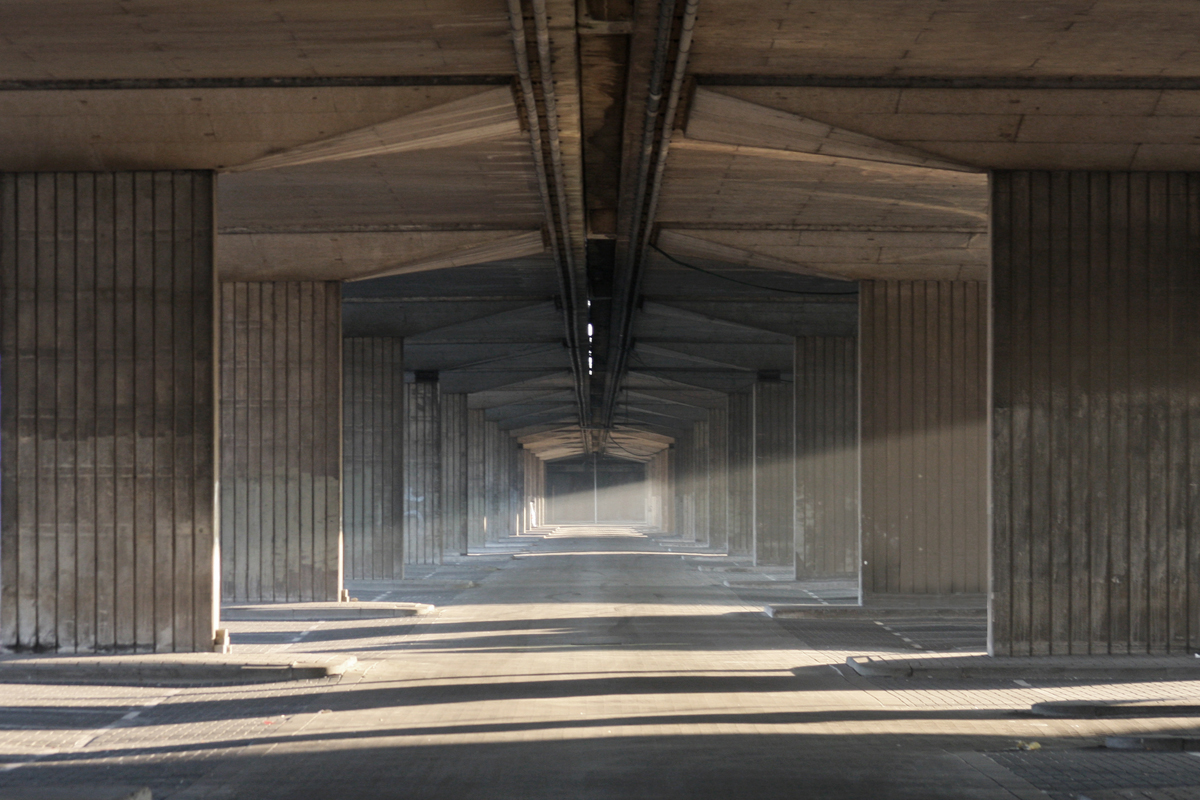
A part of the ring road of Rotterdam is raised above ground level on columns. Under the overpass, which is several kilometers long, in the absence of an official destination, a diversity of sometimes clandestine activities take place. Continue reading