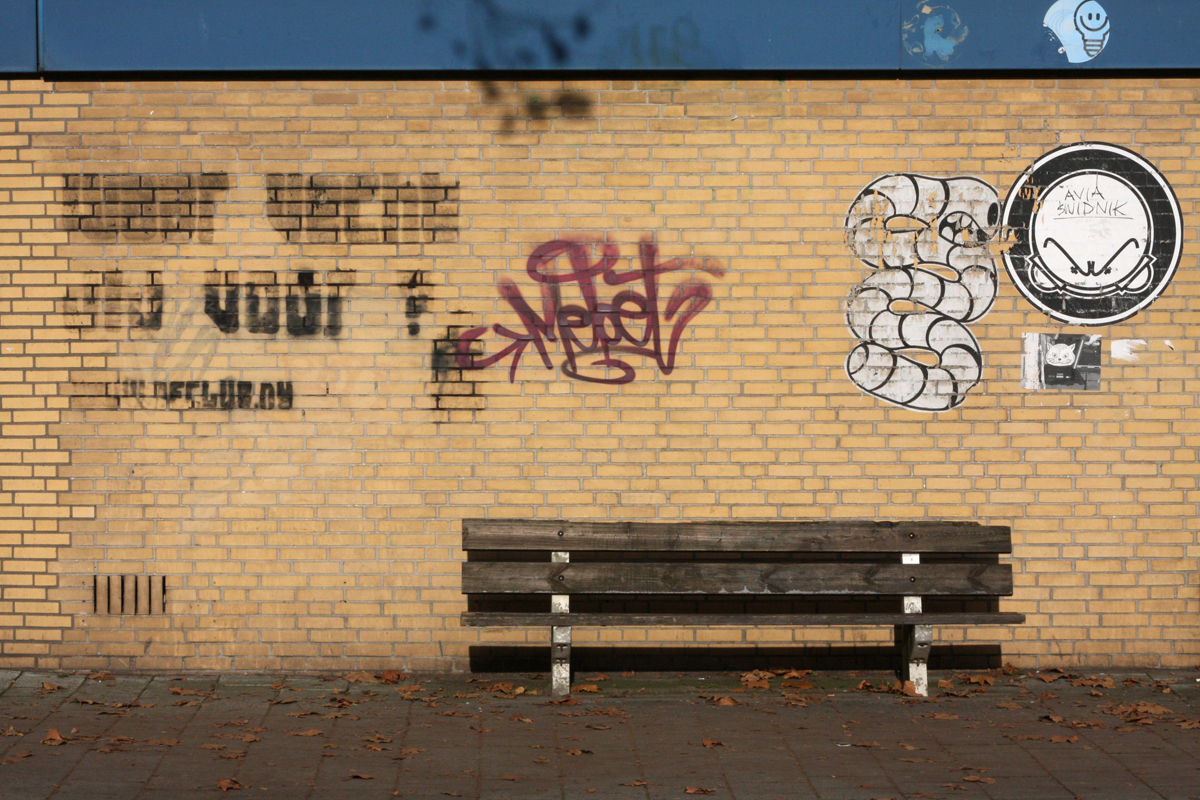
Graffiti reclaiming public space. Photo: RM
However disturbing the phenomenon might be considered by some, graffiti is wrongly seen as vandalism. It is rather a form of (re-)claiming of public space by the individual. Continue reading
Graffiti reclaiming public space. Photo: RM
However disturbing the phenomenon might be considered by some, graffiti is wrongly seen as vandalism. It is rather a form of (re-)claiming of public space by the individual. Continue reading
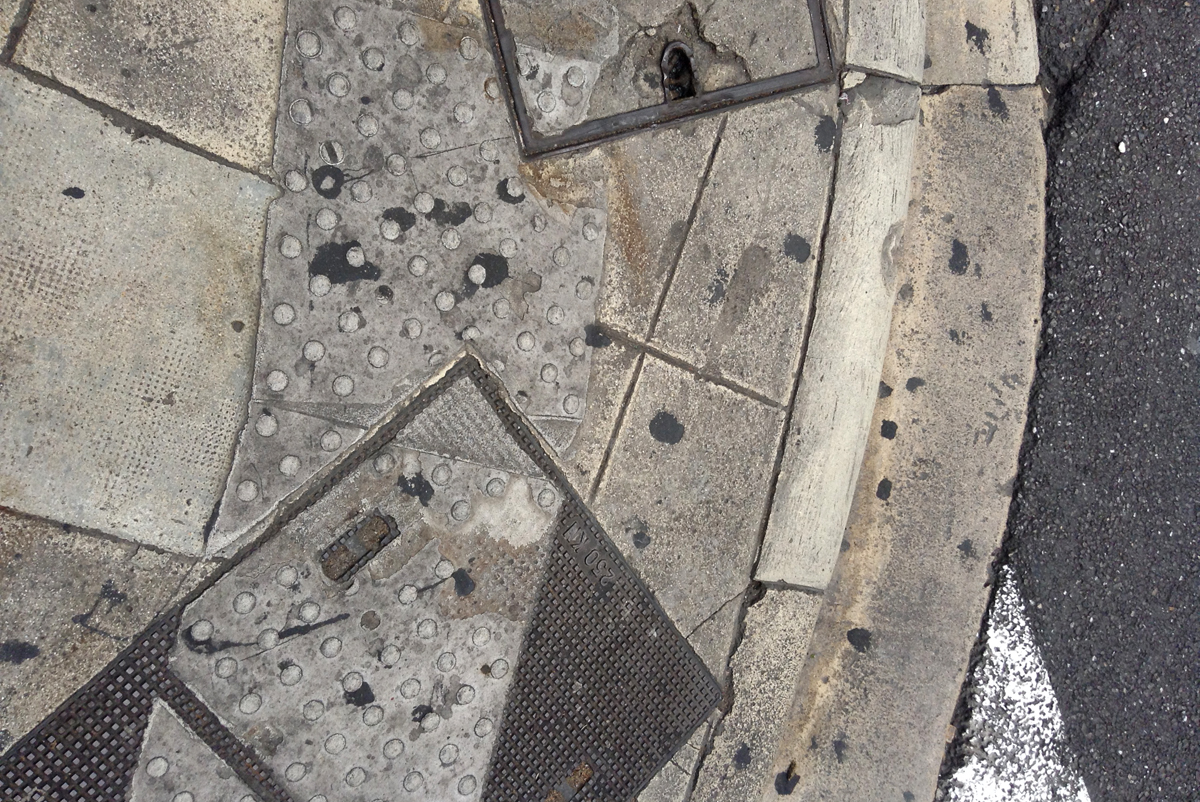
Pavement on a streetcorner, somewhere in southern Europe. Photo: RM
In a world where almost everything is designed, it can be a relief to come across something that has obviously NOT been designed. What characterizes design? Continue reading

CCTV Tower that burned in 2009. Photo: RM
The Forbidden City was built in the 15th century, after the capital of the Chinese empire was moved from Nanjing (literally translated: “southern capital”) to Beijing (the “Northern Capital”). It was the place from which the Chinese emperors of the Ming and the Qing Dynasties ruled over China. Hidden behind 10 high meter walls, hermetically closed for the people of China, who could only imagine what took place inside these walls. Only in 1925, after the fall of the monarchy and the departure of the last emperor, the Forbidden City was first opened to the public. Continue reading

Calçada Portuguesa: L;Praça dos Restauradores, Lisbon. R: Copacabana, Rio de Janeiro. Photo: RM
We often walk the streets without really heeding what we walk on: the sidewalk. But if you’re feeling somewhat down, or are merely looking for something, and by chance indeed look down: what do you see? The answer probably tells a lot about the country or city in which you find yourself at that moment. The pavement that is applied says a lot about a country and therefore about the nature of its population. In Europe, some countries have their own distinctive paving. If you see a picture of a random street, you immediately know where the photo was taken. Continue reading

Do-it-yourself warnings and prohibition signs. Photos: RM
As if the jungle of warning signs and prohibitions in the public realm were not enough, some people feel called to make a personal contribution. Continue reading

Love Bridge, Rijnhaven Rotterdam. Photo: RM
All over the world people are putting up padlocks on bridges. Where did this start and why? Continue reading

Uithof, Utrecht. Photo: RM
Architecture sometimes changes our perception of the world around us, not poetically or metaphorically speaking, but in a very mundane, demonstrable way. Our perception is sometimes literally changed. Continue reading

Photos: Rogier Mentink
In southern Europe, partly due to the fast drying, pleasant climate, it is often the habit to hang the laundry out to dry. In urban situations this is done above the street, because of lack of space elsewhere. The line on which the laundry is hung, spans between two pulleys from one window to the neighbors across the street. The effect does have something festive, the drying laundry reminiscent of flags or other party decorations. Continue reading
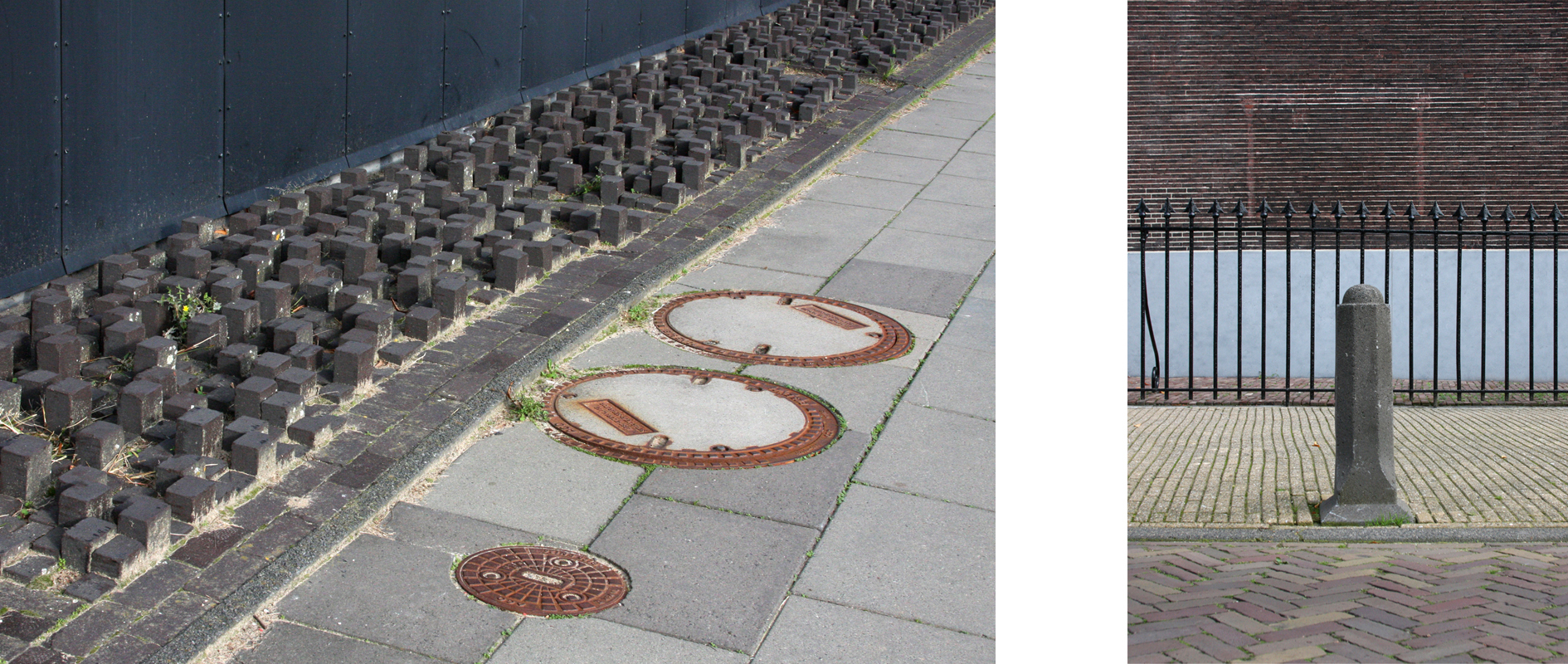
L: Faculty of Veterinary Medicine, Utrecht; R: Lange Haven, Schiedam. Photos: RM
It lies in the nature of the Dutchman to organize things and public space is no exception to this rule. When the need to create order is limited to attempts to prevent undesirable behavior and furthermore anything unplanned is considered undesirable by definition, this leads to excesses in the design of public space. Two examples: Continue reading
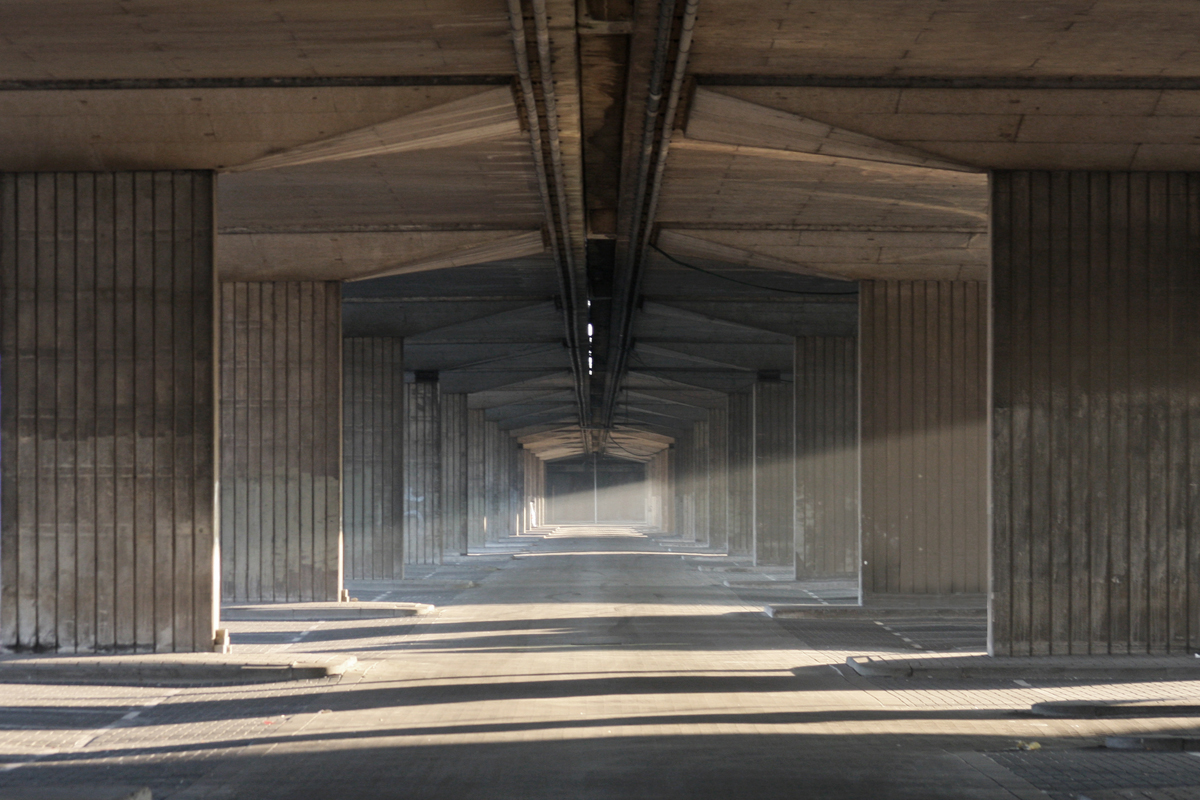
A20 Overpass, Spaanse Polder, Rotterdam. Photo: Rogier Mentink
A part of the ring road of Rotterdam is raised above ground level on columns. Under the overpass, which is several kilometers long, in the absence of an official destination, a diversity of sometimes clandestine activities take place. Continue reading
 Living in a Barrel