City versus Nature

Panorama of Innsbruck. Photo: RM

Panorama of Innsbruck. Photo: RM

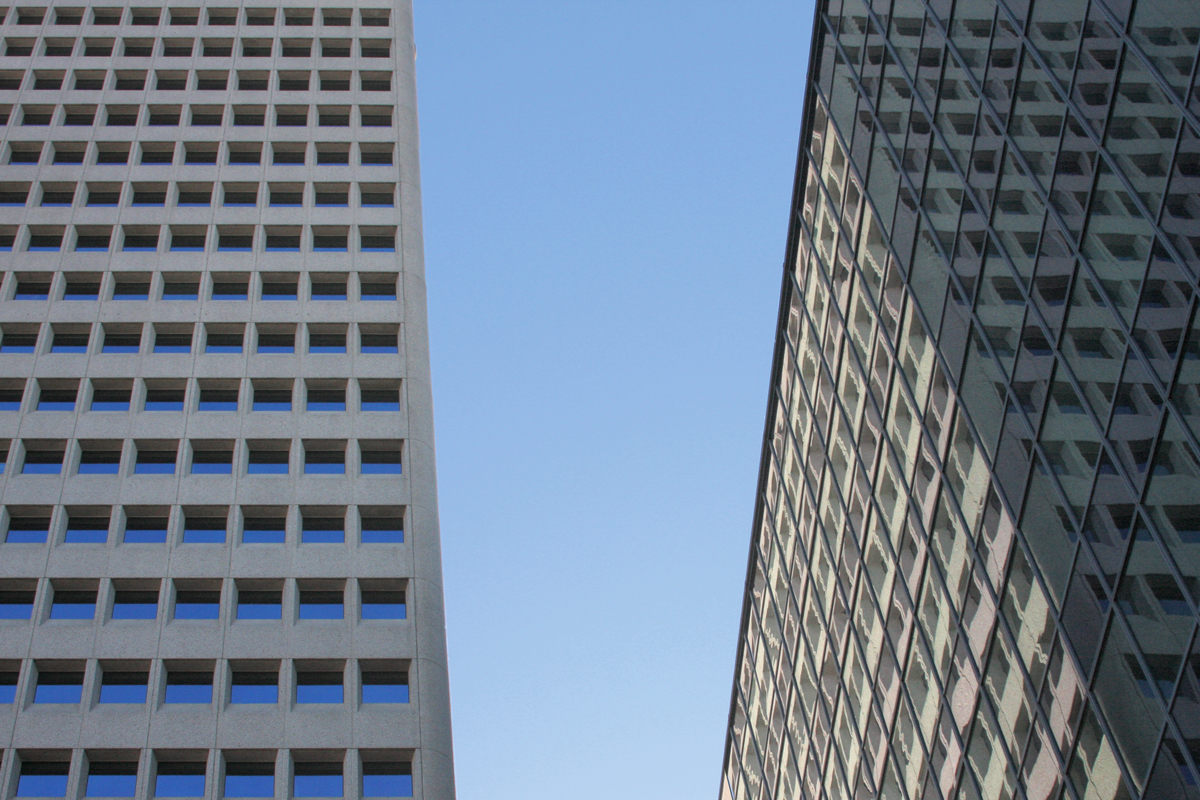
Mankind can roughly be divided into two: city people and nature lovers. Granted that there exists a potential overlap between the two groups, most people still have a clear preference for either the city or the countryside. Nevertheless, it is rare for an urban area to be situated directly next to real nature. Continue reading

Sidewalk

Calçada Portuguesa: L;Praça dos Restauradores, Libon. R: Copacabana, Rio de Janeiro. Photo: RM

Calçada Portuguesa: L;Praça dos Restauradores, Lisbon. R: Copacabana, Rio de Janeiro. Photo: RM

We often walk the streets without really heeding what we walk on: the sidewalk. But if you’re feeling somewhat down, or are merely looking for something, and by chance indeed look down: what do you see? The answer probably tells a lot about the country or city in which you find yourself at that moment. The pavement that is applied says a lot about a country and therefore about the nature of its population. In Europe, some countries have their own distinctive paving. If you see a picture of a random street, you immediately know where the photo was taken. Continue reading

City Wall

architecture blog, Deventrade, city wall

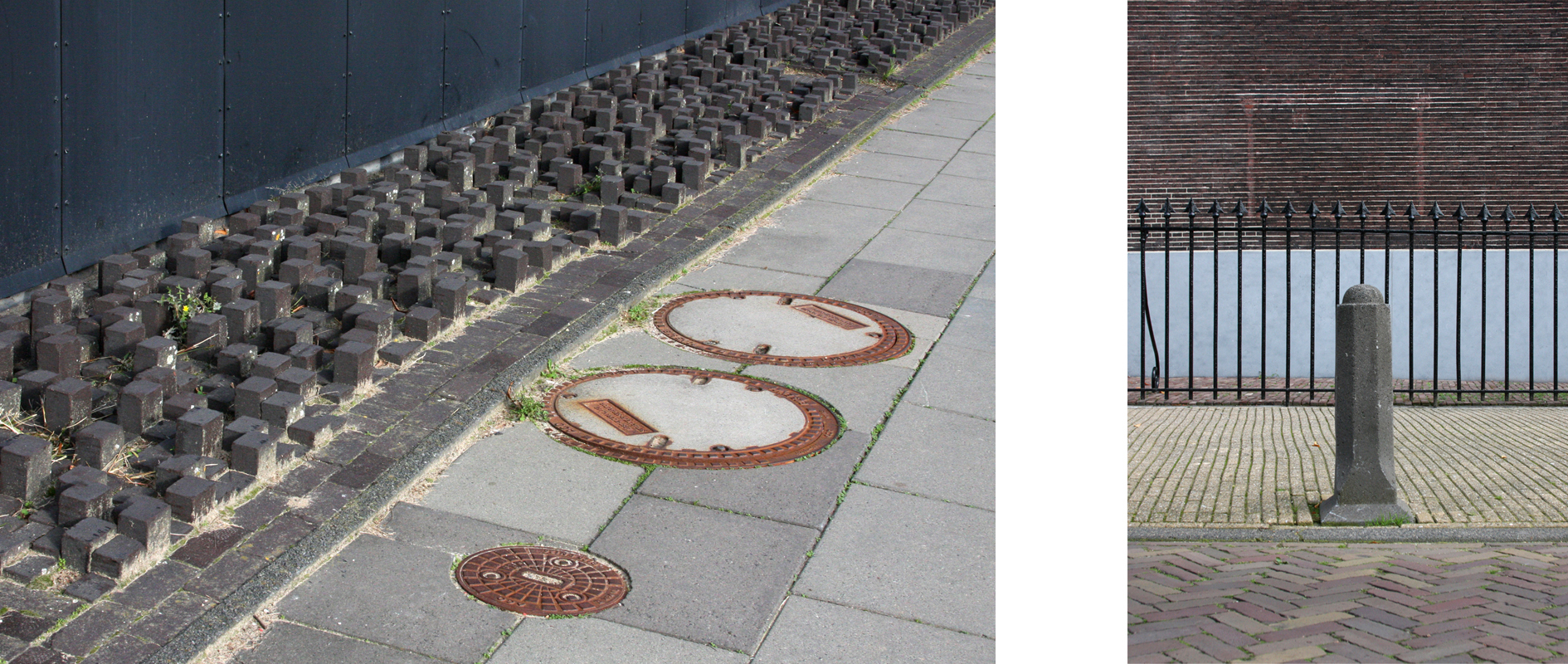
Deventrade, Deventer. Photo: RM

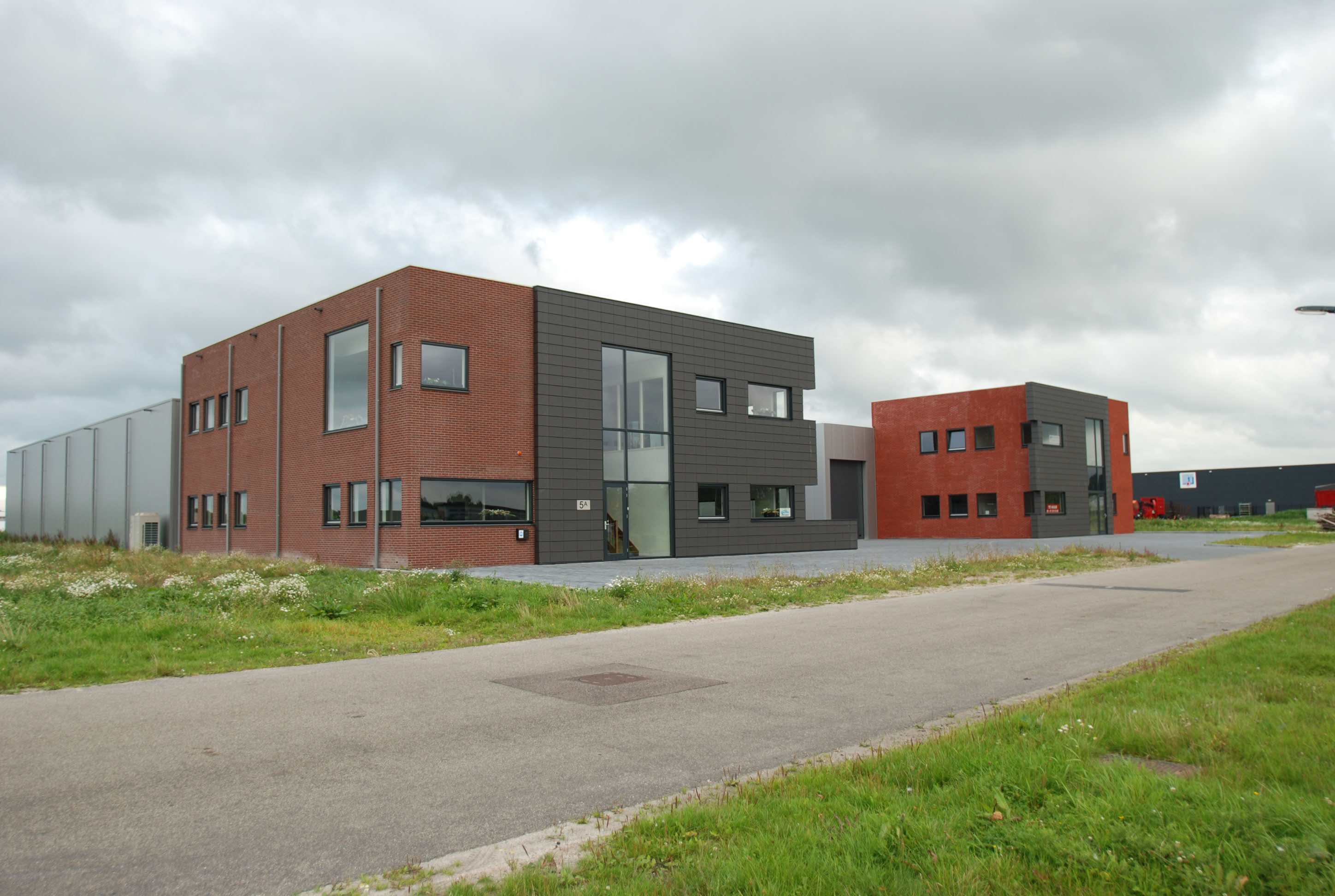
The frayed edges of our agglomerations are often formed by industrial areas or business parks. Functions which, because of the noise pollution they cause or their mere size,are difficult to fit into the urban fabric. Therefore they have been raked together neatly in these places. When we are unfortunately enough to drive (they are by definition very pedestrian unfriendly)through these areas they cause us a slightly uncomfortable feeling. The buildings generally consist of a large shed, built of corrugated iron, sometimes with a relatively, disproportionately small office building in front of it.

Now what is it that causes our discomfort? Continue reading

Out to Dry

architecture blog, laundry in the streets

Photos: Rogier Mentink

In southern Europe, partly due to the fast drying, pleasant climate, it is often the habit to hang the laundry out to dry. In urban situations this is done above the street, because of lack of space elsewhere. The line on which the laundry is hung, spans between two pulleys from one window  to the neighbors across the street.  The effect does have something festive, the drying laundry reminiscent of flags or other party decorations. Continue reading

No Loitering

architecture blog, public space

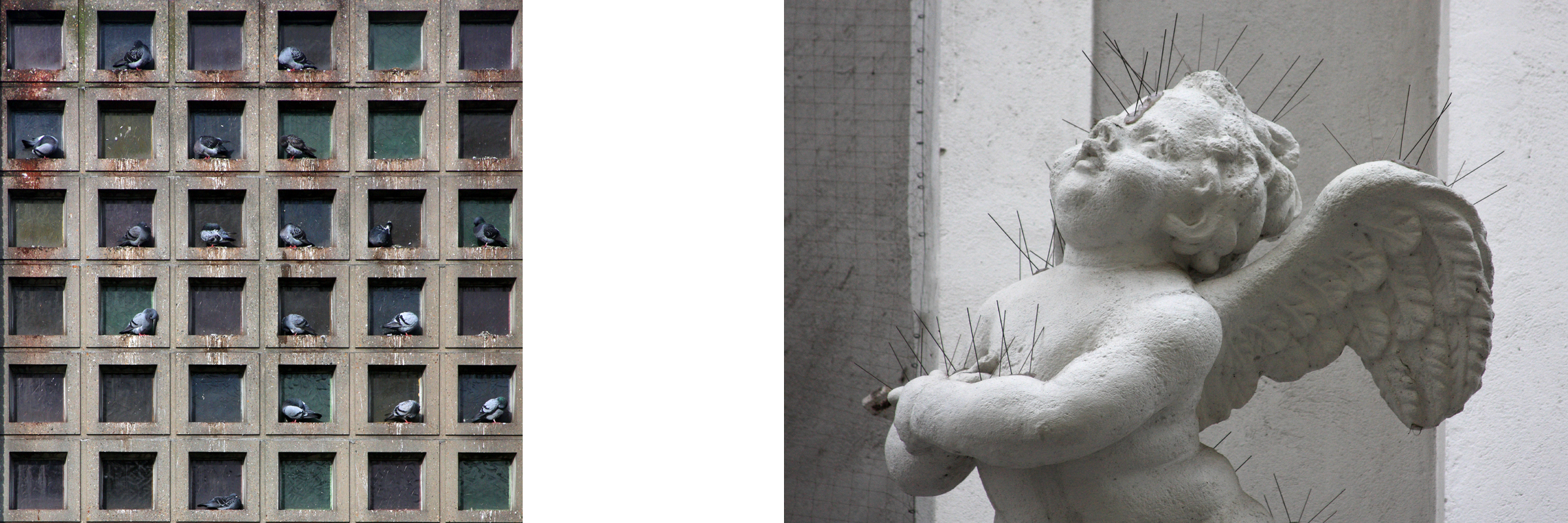
L: Faculty of Veterinary Medicine, Utrecht; R: Lange Haven, Schiedam. Photos: RM

It lies in the nature of the Dutchman to organize things and public space is no exception to this rule. When the need to create order is limited to attempts to prevent undesirable behavior and furthermore anything unplanned is considered undesirable by definition, this leads to excesses in the design of public space. Two examples: Continue reading

Way to the Sea

architecture blog, Copacabana

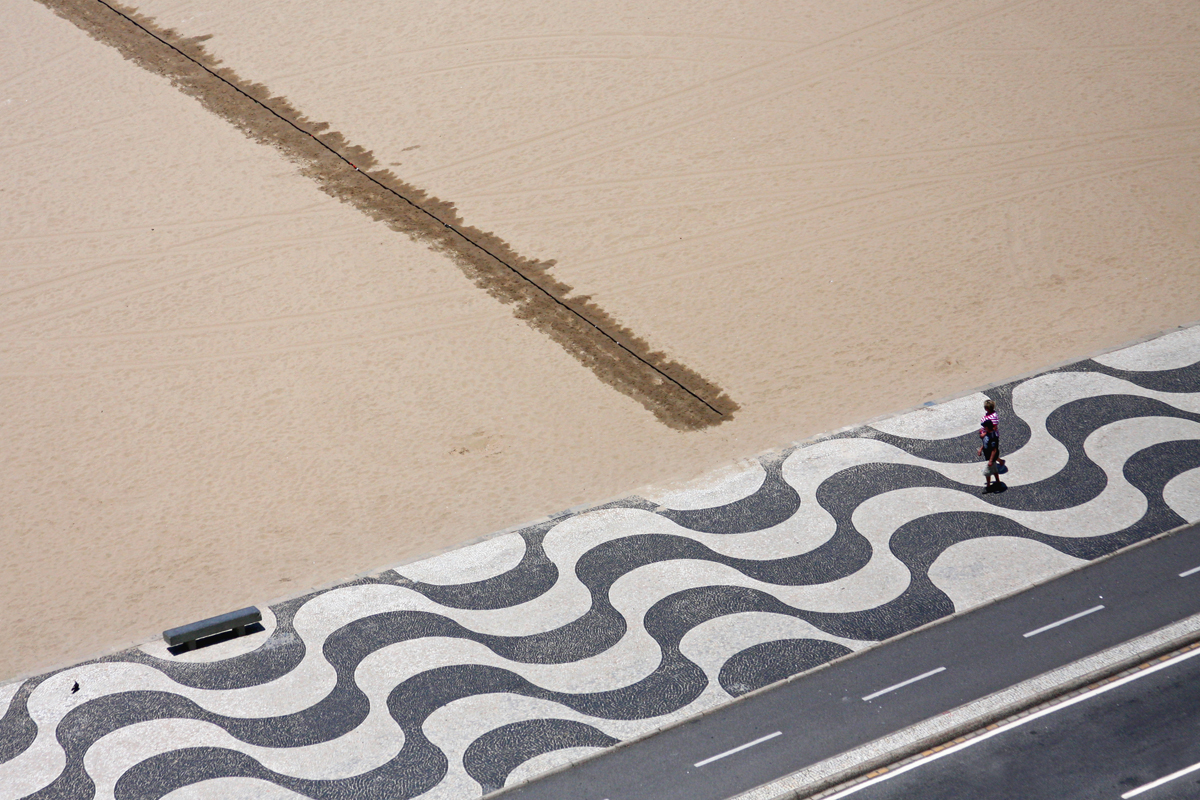
Copacabana Beach, Rio de Janeiro. Photo: Rogier Mentink

Copacabana Beach in Rio de Janeiro is more than 200 meters wide. In the Brazilian summer, the sand gets extremely hot and the long walk to the waterline is an ordeal, even with a pair of Havaianas on your feet. Continue reading

Under the Overpass

architecture blog, overpass

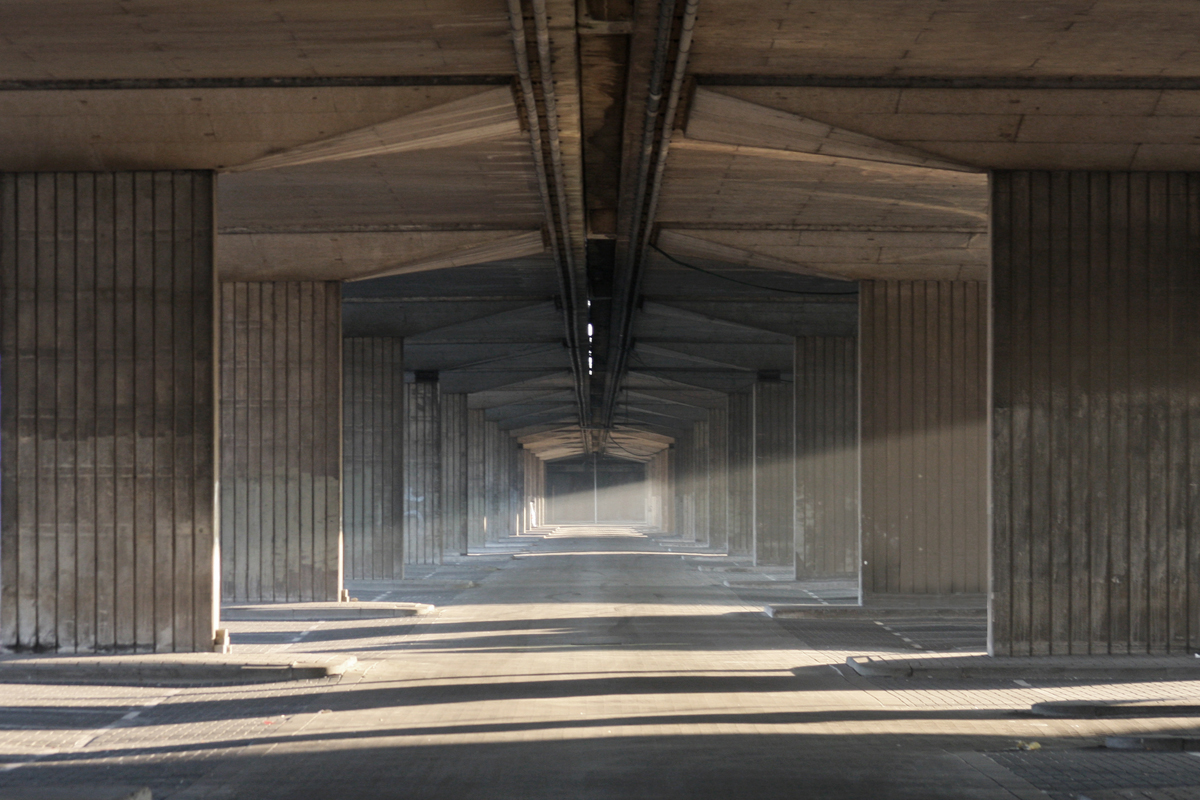
A20 Overpass, Spaanse Polder, Rotterdam. Photo: Rogier Mentink

A part of the ring road of Rotterdam is raised above ground level on columns. Under the overpass, which is several kilometers long, in the absence of an official destination, a diversity of sometimes clandestine activities take place. Continue reading