Sidewalk

Calçada Portuguesa: L;Praça dos Restauradores, Libon. R: Copacabana, Rio de Janeiro. Photo: RM

Calçada Portuguesa: L;Praça dos Restauradores, Lisbon. R: Copacabana, Rio de Janeiro. Photo: RM

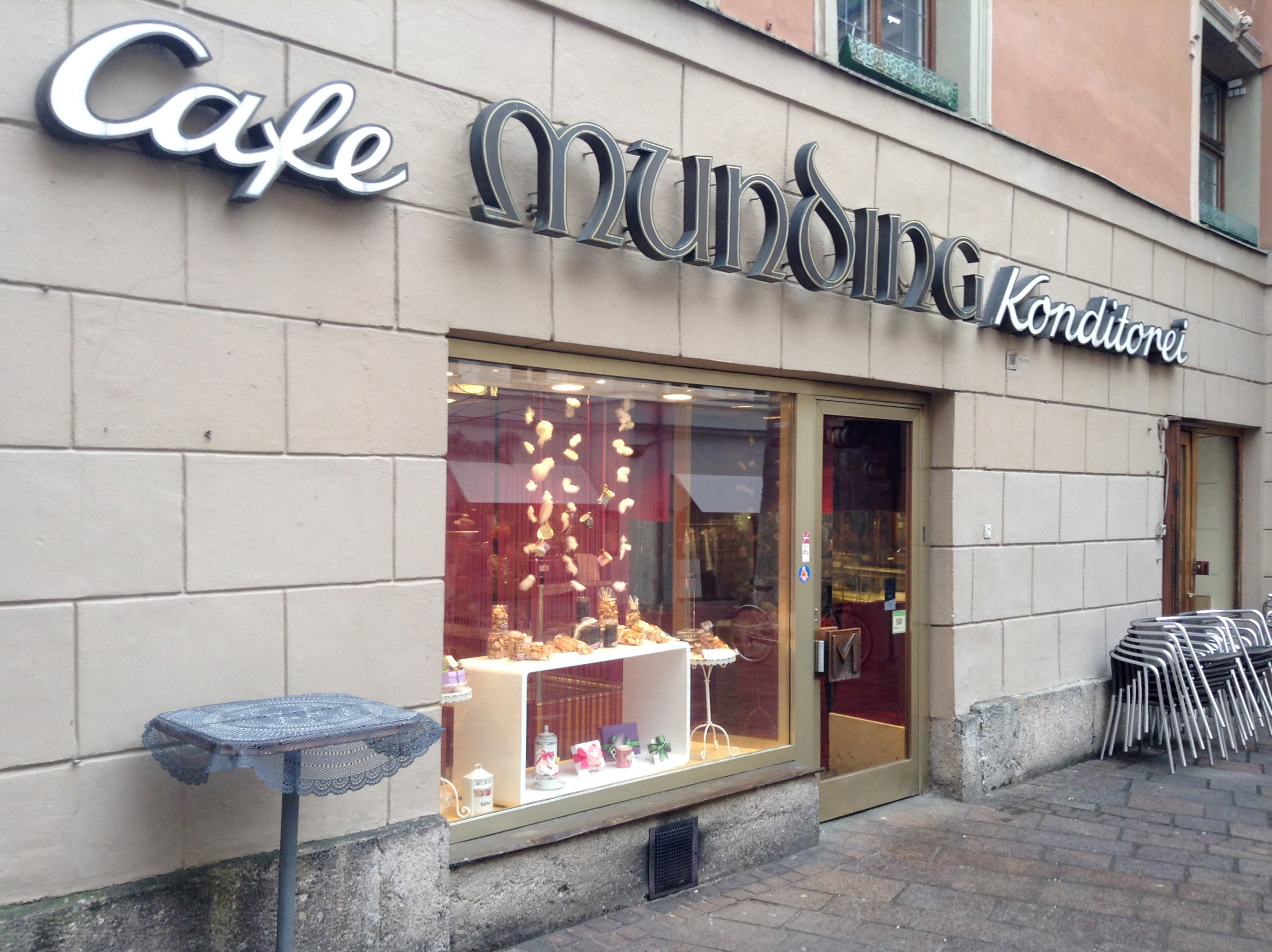
We often walk the streets without really heeding what we walk on: the sidewalk. But if you’re feeling somewhat down, or are merely looking for something, and by chance indeed look down: what do you see? The answer probably tells a lot about the country or city in which you find yourself at that moment. The pavement that is applied says a lot about a country and therefore about the nature of its population. In Europe, some countries have their own distinctive paving. If you see a picture of a random street, you immediately know where the photo was taken. Continue reading

A Tale of the Tub

De Kuip as an icon

From L to R: De Kuip at its opening in 1937; De Kuip Icon; IS in action.

Our monuments, the icons of our civilization, are of great value to us and should, in priciple, be preserved. In principle, because sometimes the fear to discard our (built) icons comes to stand in the way of our progress. In this post a first example of this phenomenon: The Feyenoord Stadium in Rotterdam. Continue reading

Patch-Up (Luchtsingel)

luchtfoto-hofplein-luchtsingel

L: Hofplein, Rotterdam before WW II, R: Luchtsingel

Before May 14, 1940 Rotterdam was considered a compact city. The street profiles were generally narrow, even for that time. Ports located in the center of the city were becoming inaccessible for road transport. The smoke of the bombings had not cleared until the city government started making reconstruction plans. Plans in which space was created for wide roads cutting through the city center. After the war they were executed rapidly. The previously lacking access to the city wwas laid out and the spaces in between were filled in a more or less ad hoc manner, during the decades that followed. Rotterdam had become infrastructure instead of a city.  Continue reading

The Bilbao Effect

architecture blog, Bilbao effect

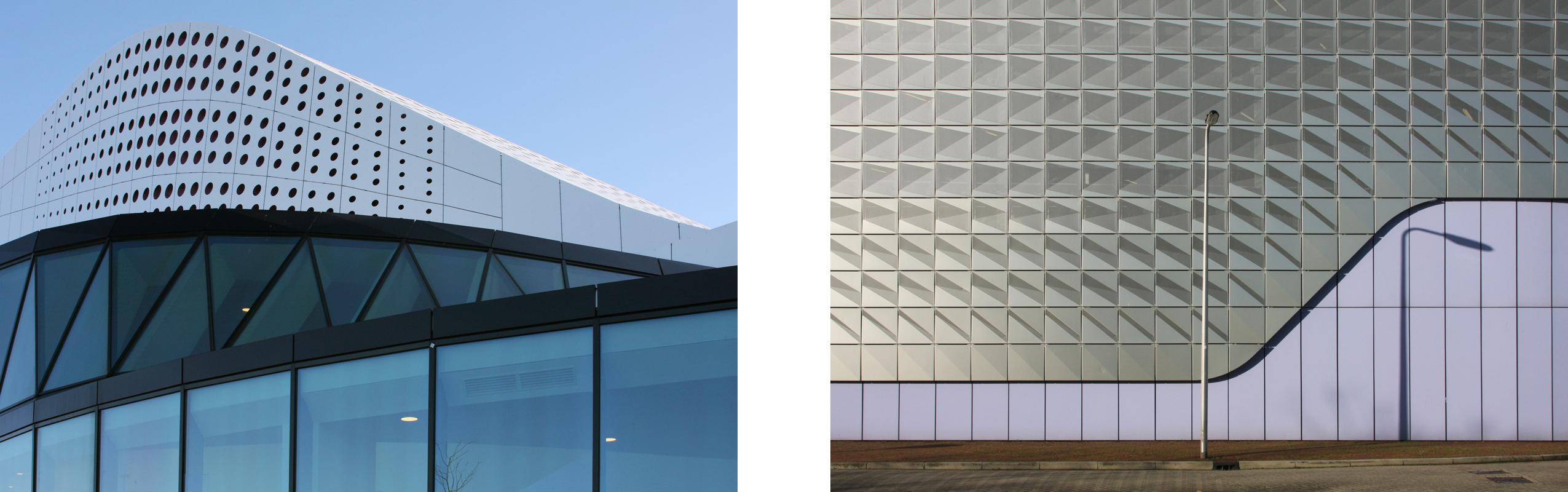
L:Theater de Stoep, R: Supercoop supermarket, Spijkenisse, photos: RM

Take an unattractive city. Through an appealing, or at least eye-catching building designed by a famous architect, it can be pulled out of the doldrums. The Bilbao effect is named after the city of Bilbao where the Frank Gehry-designed Guggenheim Museum designed by Frank Gehry accomplished this feat. It’s example was followed by many, think of EYE in Amsterdam North, but its initial success could never quite be equalled. Continue reading

City Wall

architecture blog, Deventrade, city wall

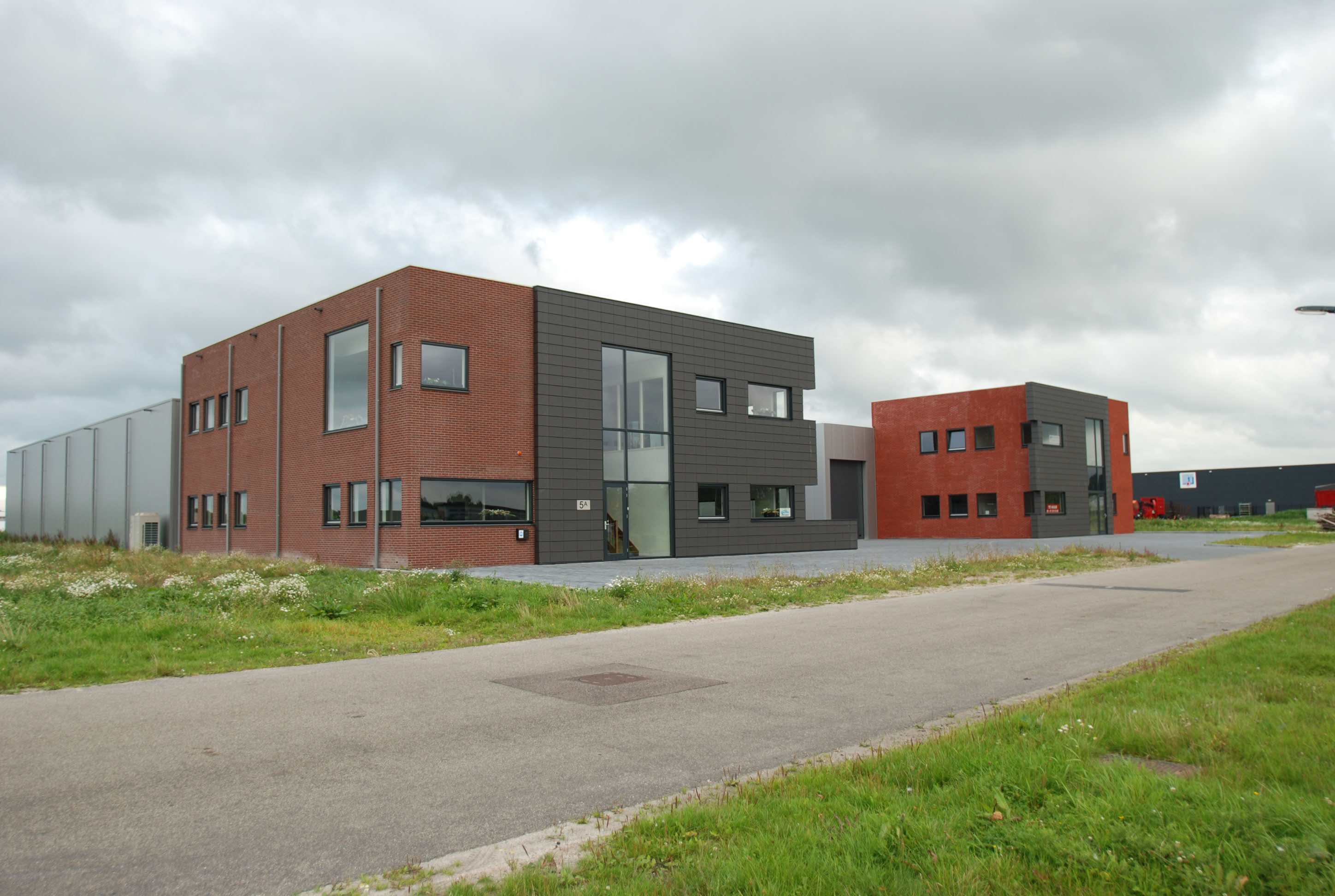
Deventrade, Deventer. Photo: RM

The frayed edges of our agglomerations are often formed by industrial areas or business parks. Functions which, because of the noise pollution they cause or their mere size,are difficult to fit into the urban fabric. Therefore they have been raked together neatly in these places. When we are unfortunately enough to drive (they are by definition very pedestrian unfriendly)through these areas they cause us a slightly uncomfortable feeling. The buildings generally consist of a large shed, built of corrugated iron, sometimes with a relatively, disproportionately small office building in front of it.

Now what is it that causes our discomfort? Continue reading